
Understanding the Evolution of Disposable Vaping
The landscape of modern vaping technology has shifted dramatically over the past few years, moving away from simple, single-use devices toward sophisticated, feature-rich hardware. Among these advancements, the Geek Bar Pulse X has captured significant attention for its approach to longevity and user-centric design. Designed for those who value both convenience and a premium experience, this device bridges the gap between traditional disposables and more complex systems.
When choosing a device, users often prioritize battery life, flavor consistency, and ease of use. This particular model addresses those core needs by integrating advanced airflow management and a high-capacity reservoir, ensuring that the experience remains satisfying from the first puff to the last. It reflects a growing trend in the industry where manufacturers prioritize durability and sustainability within the disposable category. Understanding how this device operates can help enthusiasts make informed decisions about their preferences, ensuring they find the right balance of performance and reliability. By examining its components and functionality, we can better appreciate how such hardware is shaping the expectations of the community today.
Quick Comparison of Device Specifications
Innovations in Airflow Dynamics
Achieving the perfect draw is often the most critical factor for any vaper. This device excels by offering users a refined way to customize their intake. Rather than relying on a static setting, the adjustable airflow mechanism allows for a transition between a restricted, tighter pull and a more open, airy sensation. This flexibility is essential because individual preferences vary wildly; some prioritize flavor intensity, while others look for larger cloud production.
The internal architecture is specifically engineered to stabilize the air path. By minimizing turbulence, the device ensures that every inhalation is smooth and consistent. This design choice prevents the common issue of overheating, which can often ruin the delicate profile of a liquid. Furthermore, the ability to switch between modes means you can adapt your experience based on the environment or your personal mood. It is a thoughtful inclusion that elevates the hardware beyond a basic entry-level product. By focusing on the physics of air intake, the manufacturers have created a platform that feels responsive and reliable, catering to both those transitioning from traditional cigarettes and seasoned enthusiasts looking for a dependable secondary device.
The Role of Advanced Coil Systems
At the heart of the device’s performance lies a specialized dual-core mesh coil. Mesh heating elements have become the industry standard for a good reason: they provide a significantly larger surface area compared to traditional wire coils. This allows the liquid to vaporize more evenly and efficiently. The result is a richer, more nuanced flavor profile that tends to remain stable throughout the entire life cycle of the product.
In many older models, the quality of vapor would decline as the internal reservoir depleted. This is often caused by uneven heating or wicking issues. However, the dual-core setup in this model addresses this decline by maintaining a consistent temperature. This stability ensures that the final puffs are just as flavorful as the first ones. The material used in the wick also plays a crucial role, as it is engineered to handle higher temperatures without developing a burnt taste. By investing in better internal hardware, users get a more predictable experience, which is vital for those who rely on a consistent nicotine delivery system throughout the day. It represents a commitment to technical precision in a market often saturated with disposable options.
Understanding Battery Management and Safety
Battery life is a common pain point for users who are constantly on the go. This device incorporates high-density battery technology designed to match the lifespan of the liquid capacity, ensuring you are not left with a dead battery while there is still juice left. The inclusion of an integrated management system helps regulate power output, providing a steady voltage that doesn’t drop off as the charge level decreases. This prevents the “weak” feeling that often accompanies a low battery in inferior devices.
Safety features are equally important, and modern devices now include several layers of protection. Short-circuit protection, overcharge prevention, and low-voltage cut-offs are standard. These safeguards are essential because they provide peace of mind, knowing that the hardware will automatically deactivate if an anomaly is detected. When charging, the system is designed to handle the power input efficiently, reducing the risk of overheating. For a device intended to be carried in pockets or bags, these protective measures are non-negotiable. Knowing that the engineering prioritizes safety alongside performance allows users to interact with the device confidently, without worrying about common electrical hazards associated with lithium-ion power sources.
Visual Feedback and User Interface
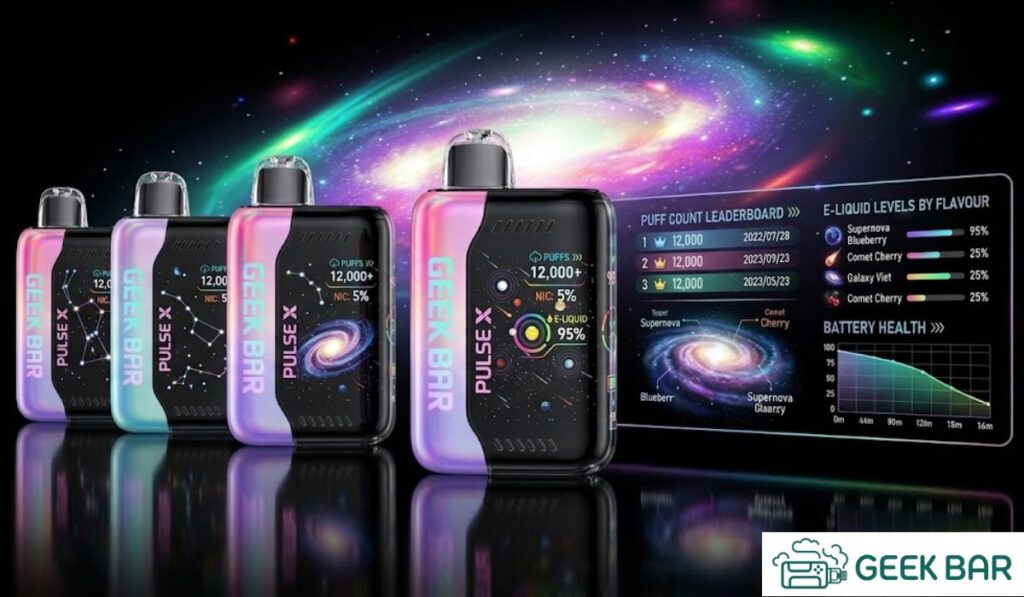
One of the most user-friendly aspects of this device is the integrated LED display. In the past, users had to guess how much liquid or battery remained, often leading to unexpected dry hits or a dead device at the most inconvenient times. The current iteration solves this ambiguity by providing real-time data. A clear, readable screen indicates battery percentage and, in many cases, remaining liquid levels. This transparency is a major leap forward in terms of convenience.
Having access to this information transforms the experience from a guessing game into a managed process. You can easily plan your charging schedule or determine when it is time to acquire a replacement. The display is typically low-power, ensuring that it does not significantly drain the battery, which is a clever balance of utility and efficiency. Furthermore, the interface is designed to be intuitive, requiring no steep learning curve. Whether you are checking your status or toggling through settings, the feedback is immediate and clear. This focus on the user-device interaction makes the product feel more premium, reflecting a sophisticated approach to how people actually use these items in their daily lives.
Ergonomics and Material Selection
The physical form factor of a device is often overlooked, yet it is what defines the daily handling experience. This device features a curved, ergonomic chassis that fits naturally in the hand. The texture and weight distribution are carefully balanced to feel substantial without being cumbersome. Materials used in the construction are selected for both durability and comfort; they are typically resistant to minor impacts and offer a grip that prevents slipping.
Beyond the aesthetics, the mouthpiece design is crucial. It is ergonomically shaped to seal comfortably against the lips, which is essential for a proper, leak-free draw. The materials used here are food-grade and heat-resistant, ensuring that the temperature remains comfortable even during frequent use. When you hold a device that has been ergonomically designed, it reduces hand fatigue, especially during longer sessions. It is the attention to these small, physical details—the way the buttons click, the smoothness of the edges, and the balance in the palm—that separates a generic disposable from a well-thought-out product. For users who carry their device everywhere, these tactile elements are what define long-term satisfaction and brand loyalty.
Sustainability Considerations and Responsible Usage
While disposables offer undeniable convenience, the industry is increasingly aware of the environmental impact of such products. Responsible usage starts with understanding how to dispose of these devices correctly. Because they contain lithium-ion batteries and electronic circuitry, they should not be thrown into regular household trash. Many regions now have specialized recycling programs for e-waste that can properly handle these items, preventing hazardous materials from entering landfills.
For users, being a responsible consumer means acknowledging the lifecycle of the product. While you might enjoy the ease of a disposable, taking the extra step to find a local battery recycling drop-off point can make a meaningful difference. Furthermore, manufacturers are beginning to explore ways to make these devices easier to disassemble for recycling, or at least easier to manage post-use. When choosing a device, consider the build quality; a more durable, longer-lasting device means fewer units are discarded over time. As we move forward, the conversation around the impact of these products will continue to grow. Educated users are the best advocates for more sustainable practices within the industry, ensuring that we can enjoy the convenience of modern technology without compromising our environmental responsibilities.
FAQs
How do I know when the battery is low? Most devices include an integrated LED screen that clearly displays the remaining battery percentage in real-time, allowing you to charge it before it reaches zero.
Can I adjust the intensity of the flavor? Yes, by using the airflow adjustment switch, you can change the draw resistance. A tighter draw often results in a more concentrated, intense flavor, while an open draw provides a smoother experience.
What should I do if the device tastes burnt? A burnt taste usually indicates that the wick is dry or the internal coil has reached the end of its life. If this happens, it is time to replace the device, as the components have likely degraded.
Are these devices safe to carry in my pocket? Yes, the devices feature internal safety protections such as short-circuit and overcharge prevention, making them safe for daily carrying, provided they are not subjected to extreme heat or physical damage.
How should I dispose of my used device? Due to the built-in lithium-ion battery, these devices should be treated as e-waste. Please take them to a designated battery or electronics recycling center rather than placing them in standard household trash.
Conclusion
The evolution of modern vaping hardware is best represented by devices that balance innovation, convenience, and user feedback. Throughout this exploration, it becomes clear that the success of a device like this is not just about the vapor it produces, but the total experience it provides. From the precision of the dual-core mesh coils to the intuitive nature of the LED status display, every feature serves a distinct purpose in enhancing satisfaction. The move toward adjustable airflow and improved battery management highlights a shift in industry standards, where the user’s ability to customize their experience is no longer a luxury but an expectation.
While the convenience of a disposable format remains the primary draw, the emphasis on ergonomics, build quality, and safety signals a more mature market. These are no longer just simple tools; they are engineered devices designed to be reliable, consistent, and easy to manage. However, as consumers, we must also lean into the responsibility that comes with using electronic hardware. Proper disposal remains the most significant challenge, and by being mindful of how we discard our devices, we contribute to a more sustainable community. Ultimately, this device offers a sophisticated, worry-free solution for those who value efficiency, setting a benchmark for what can be expected from contemporary hardware.
Hi, this is a comment.
To get started with moderating, editing, and deleting comments, please visit the Comments screen in the dashboard.
Commenter avatars come from Gravatar.