Introduction
Selecting the right software infrastructure is a pivotal decision for any growing organization. As teams expand and operational complexity increases, the standard subscription tiers offered by many platforms often fall short of meeting specific security, compliance, and scalability requirements. This is where specialized corporate solutions come into play. When evaluating test.com pricing enterprise plans, it is important to look beyond the sticker price and consider the total value delivered through advanced administrative controls, dedicated success management, and high-availability infrastructure.
Organizations at this stage generally require more than just access to core features; they need a robust environment that integrates seamlessly with existing workflows. The shift toward enterprise-level agreements usually signifies a move from simple seat-based utility to a strategic partnership focused on long-term efficiency. Understanding how these customized agreements function allows stakeholders to make informed financial decisions that align with their digital transformation goals. In this guide, we will break down the components that define these premium offerings and how they provide the necessary stability for large-scale deployments, ensuring you can navigate the procurement process with confidence and clarity.
Understanding Custom Service Agreements
Enterprise-grade software procurement rarely follows a “one size fits all” model. While standard plans are designed for self-service and quick deployment, corporate agreements are tailored to address unique organizational hurdles. These agreements often bundle advanced features that are gated in lower-tier packages, such as Single Sign-On (SSO) integration, comprehensive API access, and granular user permission sets.
The primary focus here is mitigating operational risk. By moving to a custom plan, your team gains access to dedicated infrastructure resources, which often translates to superior performance during peak traffic periods. Furthermore, these plans frequently include Service Level Agreements (SLAs) that guarantee specific uptime percentages. This is a critical factor for teams that cannot afford downtime. When you engage with sales representatives, focus on the gap between your current bottlenecks and the technical solutions provided in the upgraded tiers. By aligning the service capabilities with your specific internal architecture, you move from merely buying software to investing in a scalable operational foundation.
Comparison of Plan Features
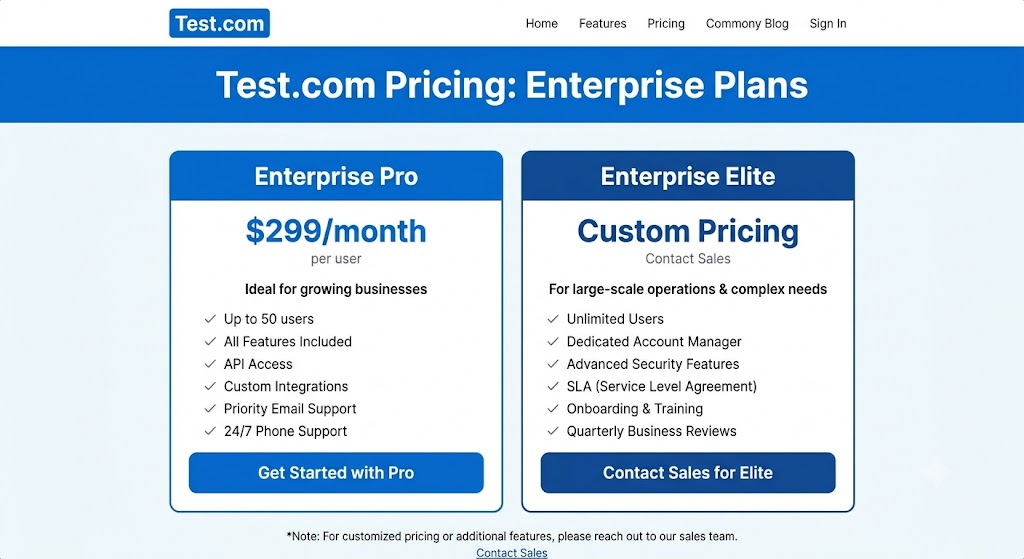
To better understand how different offerings stack up, it is helpful to look at the functional shift that occurs as you move toward professional and organizational-level tiers. The table below outlines how feature sets typically evolve.
Security and Compliance Standards
As companies grow, the sensitivity of data handled through third-party platforms increases exponentially. Enterprise plans are designed to meet the rigorous security demands of modern IT departments. Unlike entry-level tiers, these versions are built with advanced security protocols like mandatory multi-factor authentication, audit logs, and data residency options.
Compliance is another cornerstone of these agreements. Whether your industry requires adherence to GDPR, CCPA, HIPAA, or SOC 2, enterprise-tier offerings provide the documentation and technical controls necessary to satisfy auditors. When reviewing these plans, ask for the vendor’s security whitepapers and compliance roadmaps. Understanding how the platform handles data encryption at rest and in transit provides the assurance needed to integrate these tools into your core business processes. Remember that the premium paid for these plans is largely an investment in peace of mind, ensuring that your company’s data integrity remains uncompromised even as your team size and data volume continue to scale upward.
Dedicated Success Management
One of the most under-leveraged assets in high-tier software packages is the inclusion of a dedicated Customer Success Manager (CSM). While standard users are often left to navigate documentation and community forums, enterprise clients receive a direct line of communication to a specialist who understands their specific business model and technical requirements.
A good CSM acts as an extension of your own team. They facilitate onboarding, provide training for staff, and proactively alert you to new features that might solve existing workflow challenges. More importantly, they represent your voice within the vendor’s product organization. If you need a specific feature or encounter a persistent bug, your success manager can advocate for your requirements, effectively helping to shape the roadmap of the tools you rely on daily. This relationship moves the vendor-client dynamic from a transactional exchange to a collaborative effort, ensuring that you derive maximum return on your software investment through constant optimization and strategic alignment.
Scalability and Infrastructure Demands
As your user base grows, the performance requirements for your software tools shift significantly. What works for a team of ten often becomes a bottleneck for a team of hundreds. Enterprise plans address this through increased rate limits, higher API request quotas, and often, the ability to deploy within isolated environments.
These infrastructure advantages ensure that your productivity tools can handle high-concurrency environments without sacrificing speed. This is particularly vital for organizations that rely on automated workflows or deep integrations with other enterprise software. By utilizing the higher API limits and specialized infrastructure provided in these plans, you avoid the common pitfalls of service throttling or data synchronization delays. This reliability becomes a critical component of your operational efficiency. As you scale, having a platform that can grow alongside you without requiring a complete migration to a new toolset provides substantial long-term cost savings and prevents the disruption associated with changing core operational software.
Navigating Procurement and Contracting
The transition to an enterprise agreement involves more than just a credit card transaction; it usually requires a formal procurement process involving finance, IT, and legal teams. This is a standard part of the journey when scaling up, and it allows for a more rigorous vetting of the tool’s long-term viability.
Preparation is key to a smooth contracting phase. Start by gathering requirements from all stakeholders to avoid mid-contract surprises. IT will need to vet security standards, while finance will want to understand the TCO (Total Cost of Ownership) over a multi-year period. During negotiations, don’t be afraid to discuss flexible billing cycles or volume discounts if you are onboarding a large number of users at once. Establishing clear success metrics during the negotiation phase also helps in future renewals, as you will have a baseline to measure the platform’s value against the initial goals set by your leadership team. A collaborative approach during procurement usually leads to a much more favorable and functional long-term partnership with your vendor.
Maximizing ROI Through Optimization
Purchasing the software is only the first step. To truly get the value you are paying for, you must focus on organizational adoption and process integration. Often, teams pay for enterprise features they never actually utilize, which significantly dilutes the return on investment.
Start by conducting an internal audit of how the platform is currently being used versus its potential capabilities. Leverage the training resources often included in enterprise packages to upskill your staff. If your agreement includes API access, look for opportunities to automate manual tasks that are still being handled via spreadsheets or fragmented tools. By connecting the platform to your existing ecosystem, you reduce context switching and increase overall team throughput. Regularly check in with your dedicated support lead to ensure your team is using the most efficient workflows available. Optimization is an ongoing process, not a one-time setup. By treating your software stack as a living part of your business infrastructure that requires maintenance and tuning, you ensure that the cost of your plan is consistently outweighed by the productivity gains it generates.
FAQs
What are the primary differences between standard and enterprise plans? Enterprise plans offer advanced administrative controls, enhanced security protocols (like SSO), dedicated support, and higher usage limits that are generally not available in standard, self-service tiers.
Do I need a custom demo to see pricing? Yes, most enterprise plans are quote-based because they are tailored to your specific organizational needs, user count, and required integration depth.
Can I upgrade to an enterprise plan at any time? Absolutely. Most vendors are very eager to help you upgrade as your team grows, and they will usually prorate your existing subscription toward the new agreement.
Does an enterprise plan include better technical support? Yes, these plans typically include a dedicated account manager and prioritized support queues, ensuring faster response times for critical issues.
What kind of security certifications should I look for? Look for standard industry certifications such as SOC 2 Type II, HIPAA, or ISO 27001, depending on your industry and the nature of the data you are handling.
Conclusion
Navigating the world of high-tier software agreements can feel overwhelming, but it is a necessary step for any scaling business. By moving to a structured agreement, you are doing more than just unlocking features; you are securing the reliability, security, and dedicated support that your organization requires to maintain its momentum. The process of evaluating your needs, engaging with success teams, and optimizing your implementation is an investment in your company’s operational future.
Focus on the tangible benefits: reduced risk through enterprise-grade security, increased throughput via higher technical limits, and the strategic advantage of having a dedicated partner through a success manager. While the procurement process may involve more stakeholders and deeper analysis than a simple monthly subscription, the long-term payoff is a stable, high-performance foundation that allows your team to focus on innovation rather than troubleshooting. Use the insights provided here to approach your vendor with clarity, ensuring that the agreement you reach not only fits your budget but actively supports your broader business objectives for years to come.