
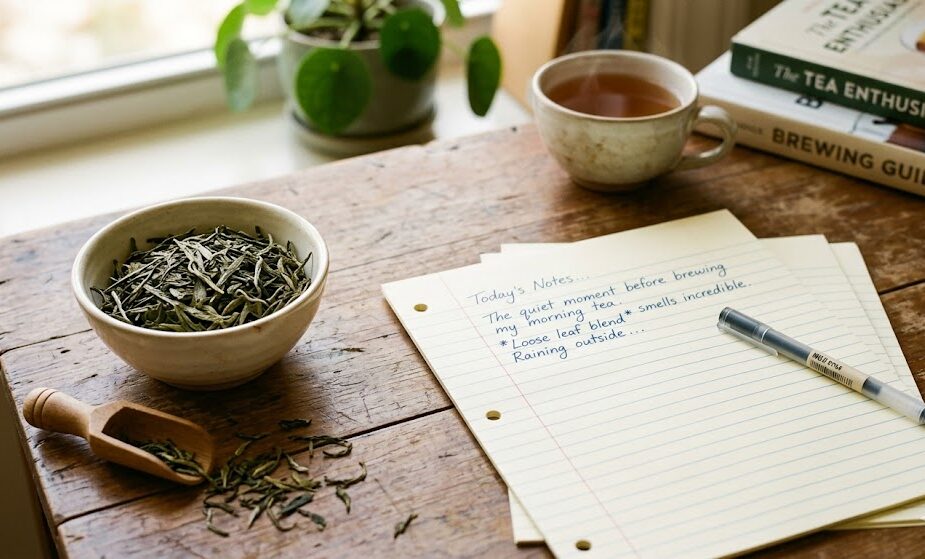
Understanding the World of Artisanal Tea
Stepping into the world of premium tea is a sensory experience that far surpasses the convenience of standard bags. Unlike mass-produced alternatives, whole-leaf teas retain the complex oils and aromatics that define high-quality harvests. However, because the market is flooded with varying grades and origins, finding reliable loose leaf reviews becomes an essential step for both novices and seasoned drinkers. These evaluations act as a compass, guiding you through the vast landscapes of Darjeeling, high-mountain Oolong, and hand-rolled green teas.
When you invest in high-quality harvests, you are paying for the craftsmanship of the tea master and the terroir of the specific garden. Reading credible assessments allows you to understand what to expect in terms of flavor profiles, steeping parameters, and potential health benefits. Instead of guessing whether a particular tin of withered leaves will provide a floral finish or an astringent bite, you can rely on the documented experiences of others. This approach not only saves you money but also ensures that your pantry is stocked with exceptional beverages that truly elevate your daily ritual.
Quick Comparison of Common Tea Categories
Evaluating Visual Characteristics
When inspecting the quality of your tea, the physical appearance of the dry leaf tells a significant part of the story. You should look for consistency in size and color, which indicates a professional sorting process. High-quality varieties often show distinct shapes—such as needle-like structures, tightly rolled pearls, or delicate, unfurled buds. Avoid bags that contain excessive dust, broken stems, or pulverized fragments, as these are often signs of lower-grade industrial processing.
The color of the leaf also provides vital clues about the freshness and the type of tea. For instance, high-quality green teas should display vibrant, natural shades ranging from olive to forest green. Dull, brownish, or overly grey leaves suggest that the tea has been stored improperly or has aged past its prime. Furthermore, the presence of “tips” or “buds” is a hallmark of premium picking. These tiny, unopened leaves are often the most flavorful and are highly sought after by collectors. By learning to look past marketing claims and focusing on the actual state of the plant matter, you become much more capable of discerning superior products from mediocre ones.
The Nuances of Aroma and Scent
The fragrance of the dry leaf is often referred to as the “first steep.” Before the water even touches the tea, you should be able to detect the distinct characteristics of the origin and processing method. A well-preserved harvest will release a complex bouquet that hints at what is to come in the cup. Look for descriptions in assessments that mention specific scents, such as orchid, toasted nuts, honey, or damp earth.
Once the hot water is introduced, the aroma should intensify and evolve. This is the moment when the essential oils are released, filling the air with the true essence of the tea. If the scent is faint or smells “flat,” it may indicate that the tea has lost its potency due to poor packaging or lengthy storage. Conversely, an overly pungent or “chemical” scent could imply the use of artificial flavorings or perfumes, which are common in cheaper blends. Paying attention to these subtle olfactory shifts helps you identify genuine, natural products. Engaging your sense of smell not only deepens your appreciation but also acts as a primary filter to avoid synthetic or low-quality ingredients.
Mastering Steeping Parameters
One of the most frequent points of confusion for new drinkers is the relationship between temperature and steeping duration. Even the finest leaves can taste unpleasant if they are scorched by boiling water or steeped for an excessive amount of time. Bitter, astringent notes are usually the result of over-extraction rather than a poor quality product. Always pay attention to advice regarding the specific heat requirements for your chosen variety.
Delicate green and white teas, for example, require much lower temperatures to avoid destroying their subtle, sweet compounds. If you find your tea tastes “burnt,” try lowering your water temperature by five degrees. Conversely, robust black teas and fermented pu-erhs thrive in nearly boiling water, which is necessary to extract their deep, malty, or earthy profiles. Most experts suggest using a timer to maintain consistency across multiple sessions. By keeping a simple log of your steeping experiments—noting the water temperature, amount of leaf, and time—you can dial in the perfect cup. Understanding these variables turns the process from a casual morning routine into a refined skill that highlights the unique character of every harvest.
The Importance of Leaf Expansion
An often overlooked aspect of evaluating whole-leaf tea is observing how the leaves expand during the infusion process. True loose leaf tea is designed to unroll and release its flavor gradually over several steeps. If you are using an infuser that is too small or a cramped tea ball, you are essentially choking the leaves and preventing them from reaching their full potential. The leaves need space to move, stretch, and “breathe” in the water.
When you examine the wet leaves after steeping, they should look vibrant, intact, and close to their original shape on the bush. If the leaves remain tightly compacted or appear shredded, the tea is likely of a lower grade or was handled roughly during production. Some of the most prized teas are “gong-fu” style, which rewards multiple short infusions. Each subsequent steep reveals a different layer of flavor as the leaf continues to unfurl. Observing this transformation provides immense satisfaction and proves that you are enjoying a quality product. Investing in a spacious infuser or a traditional clay teapot will make a world of difference in your overall experience.
Sustainable Sourcing and Ethics
The stories behind your tea are just as important as the taste. Ethical sourcing has become a major focus for connoisseurs, and for good reason. Tea is a labor-intensive crop that relies on the hard work of farmers who often operate in remote, mountainous regions. When looking for information on where to buy, prioritize companies that provide transparency regarding their supply chain, fair wages, and sustainable farming practices.
Many high-end estates now practice organic farming, avoiding harsh pesticides that can leave residues on the leaves. These practices not only benefit the environment but also ensure a cleaner, more natural flavor in your cup. Look for mentions of “single-estate” or “single-origin,” as these usually imply a shorter distance between the field and your home. Knowing that your purchase supports traditional crafts and environmental stewardship adds a layer of satisfaction to every sip. By choosing to support brands that value quality over quantity, you contribute to a system that honors the heritage of the tea plant while protecting the lands where it grows. It is a rewarding way to participate in a global tradition that spans centuries.
Storage and Freshness Longevity
Even the best-reviewed tea will degrade if it is stored improperly. Air, light, heat, and moisture are the primary enemies of tea longevity. To keep your leaves at their peak, store them in airtight containers—preferably tin, ceramic, or opaque glass—kept in a cool, dark cupboard. Avoid clear glass jars on the countertop, as exposure to sunlight will quickly bleach the color and destroy the flavor compounds.
Additionally, tea is highly absorbent and will readily pick up the aromas of its surroundings. Keep your containers away from spices, coffee, or cleaning products to prevent cross-contamination. While many black and oolong teas can age gracefully, green and white teas are best consumed within a year of harvest to enjoy their vibrant, fresh character. If you purchase in bulk, consider splitting your stash into smaller, daily-use containers to keep the bulk of the tea sealed away from oxygen. Proper storage not only preserves your investment but also ensures that you are consistently drinking the best version of the tea you selected. With these small habits, you can extend the enjoyment of your favorite leaves for many months.
FAQs
How do I know if a tea review is trustworthy? Look for reviewers who describe specific flavor notes, steeping times, and the physical appearance of the leaves. Genuine enthusiasts usually share their personal setup and why they enjoyed (or disliked) a specific brew, rather than using generic marketing language.
Should I wash my loose leaf tea before brewing? For most modern, high-quality teas, a “rinse” is only necessary for certain styles like pu-erh or tightly rolled oolongs. The rinse helps “wake up” the leaves and warms the teapot, but it is not required for delicate green or white teas.
Can I reuse the leaves for a second cup? Absolutely! Most high-quality loose leaves can be steeped 3–5 times. The flavor profile will change slightly with each infusion, often revealing new hidden notes that you might have missed in the first cup.
Why does my tea taste bitter? Bitterness is usually caused by using water that is too hot or leaving the leaves in the water for too long. Try reducing your water temperature or shortening the steep time by 30 seconds to balance the profile.
Is organic certification important? It is a good indicator of quality and safety, as it ensures the leaves are free from synthetic pesticides. While some small, traditional family estates may not have the budget for formal certification, they often follow organic practices by default.
Conclusion
Navigating the world of tea is an ongoing journey of discovery, where each cup offers a unique reflection of its origin and the hands that harvested it. By utilizing reliable feedback and understanding the fundamentals of leaf evaluation, you transition from a casual drinker to an informed enthusiast. Remember that your palate is the ultimate judge; use external guidance to find starting points, but always trust your own preferences when deciding what you truly enjoy.
Focusing on the physical health of the leaves, the precision of your steeping parameters, and the ethics of your chosen vendors will transform your tea-drinking habit into a mindful, rewarding daily ritual. Whether you are seeking the energizing clarity of a high-mountain green or the comforting warmth of a deep black tea, the effort you put into selecting and preparing your brew directly dictates the quality of your experience. Embrace the process of trial and error, keep notes on your favorite varieties, and continue exploring different regions. By prioritizing quality and respecting the artistry behind each harvest, you ensure that every cup you pour is a moment of pure, intentional delight.